

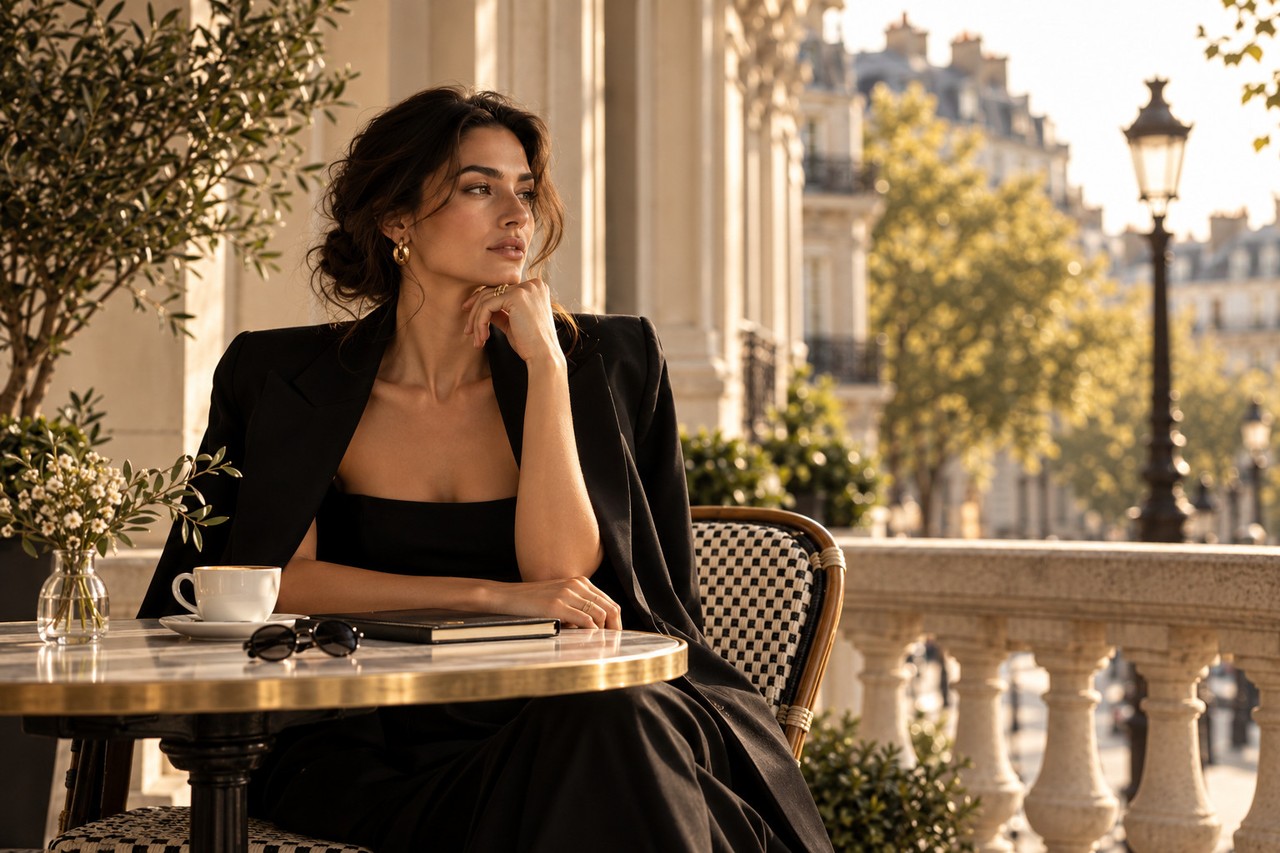
On the strength of quiet images where light, posture and space say more than a grand gesture.
Some images demand attention at once. Others stay with us because they make no such demand. A quiet frame can show a person, object or place while leaving room for an individual response. That openness is not emptiness; it is an intentional choice in how the image is made.
Presence over volume
In a portrait, presence rarely depends on a dramatic pose. A small shift may be enough: the direction of a gaze, a hand coming to rest, or the space between a person and the background. When these elements come together, the frame holds a tension that needs no explanation. The camera pays closer attention instead of asking for more.
Light can work the same way. A soft transition may reveal form more clearly than a hard effect. Shadows can remain when they give the subject structure. Restraint is not about smoothing everything away. It helps us recognise what matters and let go of what impresses only for a moment.
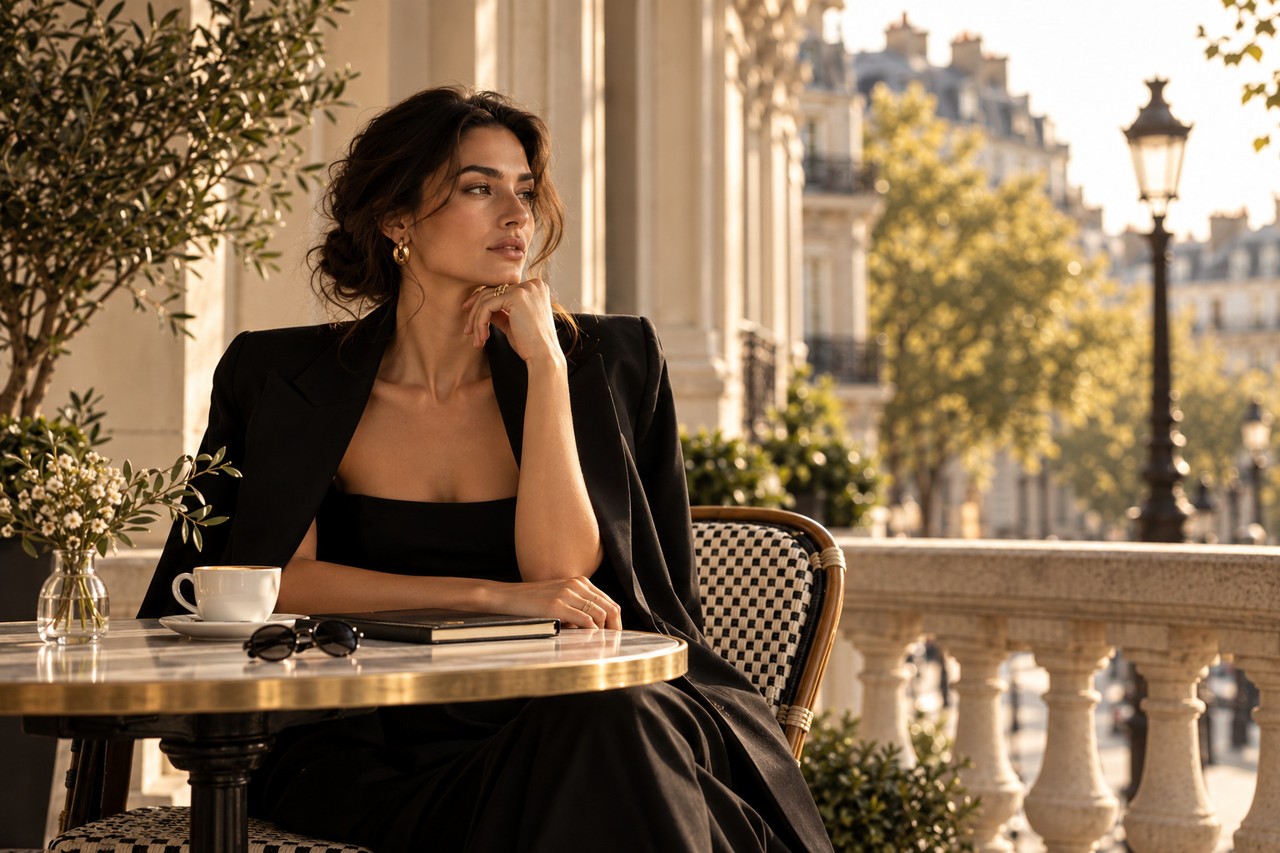
Room to look
A series needs different volumes. Alongside its strongest frame there can be quiet transitions, details and open space. Together they create a rhythm that invites someone to stay. In editorial imagery, not every photograph must do the same job. Some lead, some connect and others give the story breathing room.
Before making an image, we ask more than what should be visible. We also consider what the frame does not need to claim. When composition, light and posture share a clear direction, the result can be restrained and still feel distinct. A good image may reveal its strength on the second look.